Introduction
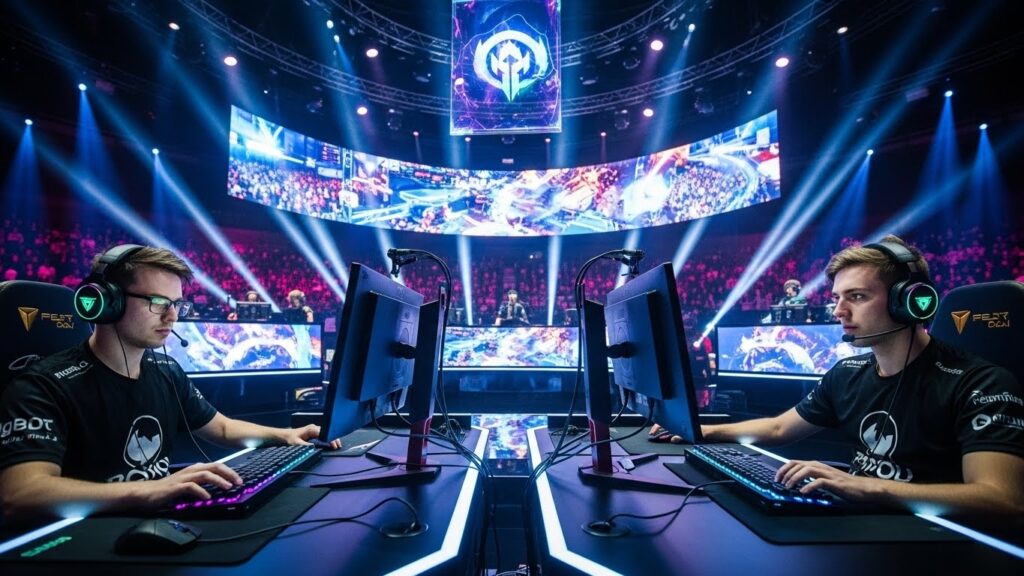
Esports, short for electronic sports, has rapidly transformed from a niche pastime into a global phenomenon. What began as a small community of gamers competing in LAN (Local Area Network) tournaments has blossomed into a multi-billion-dollar industry. Over the past few decades, esports has seen explosive growth, bringing together professional players, large audiences, and huge financial investments. The game has changed, and so have the players, organizers, sponsors, and fans. This blog post will explore the evolution of esports, its milestones, the impact of technological advancements, the rise of streaming platforms, the major game titles that have shaped the industry, and how esports is shaping the future of entertainment and sports.
The Early Days: A Humble Beginning
The history of esports dates back to the early 1990s when competitive gaming first began to take shape. While the idea of playing games for competition is as old as video games themselves, it was during this time that the first true esports events began to emerge.
The First Esports Tournaments
In 1997, the first major esports event took place at the Red Annihilation tournament. Held in the United States, this tournament was focused on the game Quake, a first-person shooter (FPS) developed by id Software. It attracted professional gamers from across the world, and its grand prize was a Ferrari 328 GTS, which helped to raise the profile of esports.
Following this, more tournaments began to pop up globally, including the StarCraft competitions in Korea, which set the stage for one of the most important countries in the esports world today. South Korea became the epicenter of competitive gaming, where games like StarCraft and Warcraft III dominated the scene.
The Rise of Korean Esports
Korea’s influence on the development of esports cannot be overstated. With the rise of games like StarCraft, the South Korean government started taking notice of the potential impact esports could have on the nation’s economy and culture. By the early 2000s, esports became a staple in South Korean culture, with games being broadcast on TV networks, and players becoming national celebrities. The Korean “pro-gamer” culture was born, and StarCraft was at the center of it all.
In addition to this, professional gaming leagues and tournaments were established, such as the Korean e-Sports Association (KeSPA) in 2000, which began to structure and formalize competitive gaming in the country. This era laid the foundation for the rise of esports in other regions of the world.
The Golden Age of Esports: 2000-2010
As the new millennium dawned, esports continued to evolve. Technology became more advanced, game developers began to support competitive play, and the internet made it easier for players to compete remotely. These factors converged to create what many consider the “Golden Age” of esports.
Online Competitions and the Growth of Game Titles
The early 2000s saw the rise of some of the most iconic esports games. Titles like Counter-Strike, Warcraft III, DotA, and StarCraft took the competitive gaming scene to new heights. Counter-Strike, for example, became one of the most influential multiplayer FPS games and is still played at a professional level today.
In 2001, Warcraft III was released, and it introduced the concept of multiplayer online battle arenas (MOBA), with DotA (Defense of the Ancients) being a mod that would eventually evolve into an entirely new genre of games. The rapid growth of MOBA games, particularly League of Legends, would later define the esports landscape for the next decade.
Esports Becomes Mainstream
The 2000s also witnessed a shift in how esports was viewed by the general public. As broadband internet became widely available, players no longer had to be physically present at LAN events to compete. This opened up opportunities for online tournaments, expanding the reach of esports globally.
The creation of professional esports organizations, sponsorships, and even corporate-backed events such as The International (the premier Dota 2 tournament), also played a significant role in boosting esports’ mainstream appeal. It was during this time that esports started to get significant media attention, and sponsorships from brands like Coca-Cola, Intel, and Red Bull became commonplace.
The Role of Streaming Platforms
Around this time, a pivotal development took place in the esports world: the emergence of live streaming platforms. Websites like Twitch, which was founded in 2011, became the go-to platform for fans to watch live competitive gaming events and tournaments. The convenience of watching live gaming matches from the comfort of their homes allowed fans to follow their favorite players and teams while also engaging with the broader community.
In turn, this helped esports become a spectator sport. Viewership numbers for major events began to rival traditional sports, and the interaction between players and their fans reached new heights. Twitch’s live stream technology and community-building features, such as chat rooms, helped foster a deeper connection between players and their fanbase.
The Explosion of Esports: 2010-Present
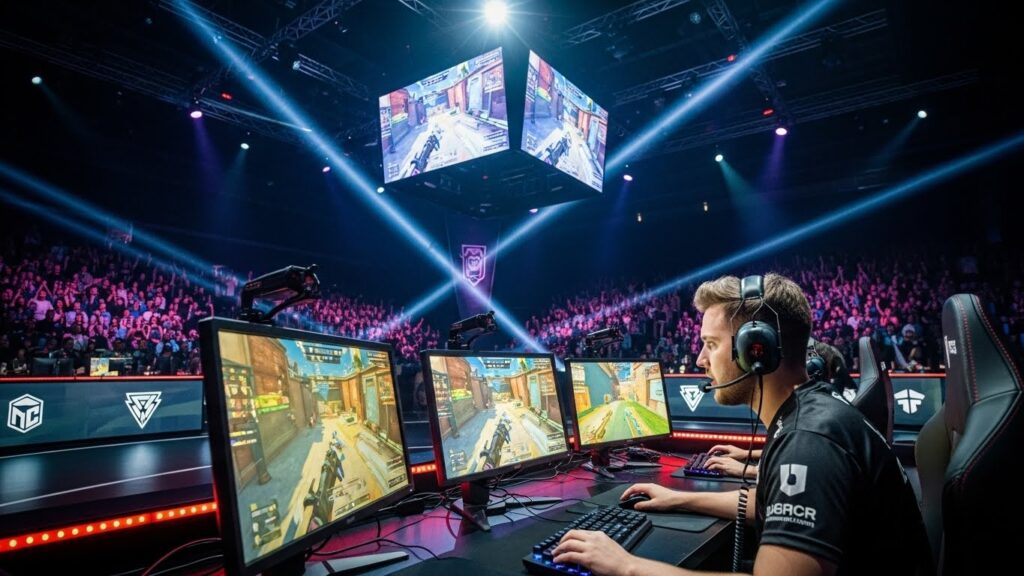
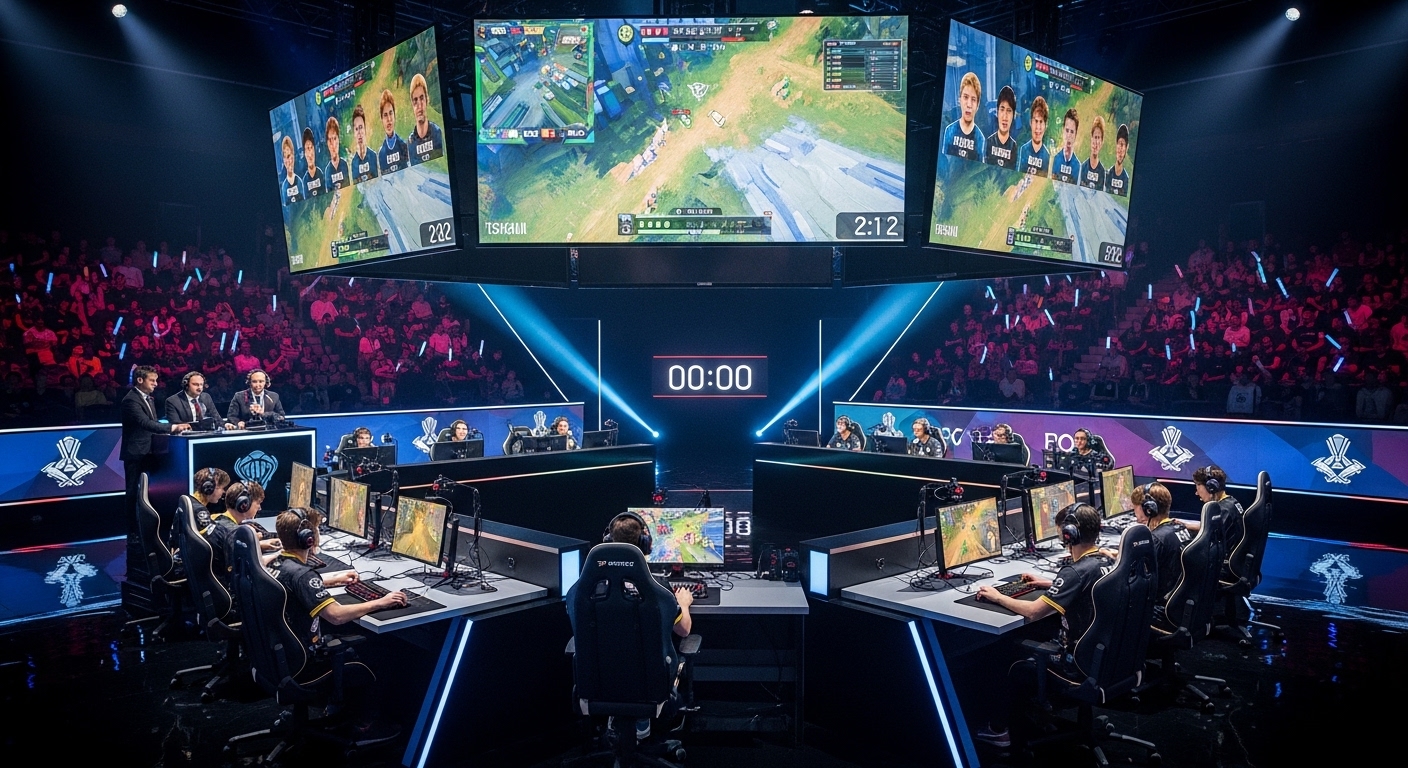
By the time the 2010s rolled around, esports had firmly established itself as a global industry with players, teams, organizers, and fans from every corner of the world. Tournaments were now drawing crowds in the tens of thousands, and prize pools for competitions skyrocketed into the millions.
The Rise of MOBA Games and Competitive RPGs
While games like Counter-Strike and Warcraft had their place in the history of esports, the 2010s saw the meteoric rise of MOBAs (Multiplayer Online Battle Arenas) such as League of Legends, Dota 2, and Heroes of the Storm. The popularity of League of Legends, in particular, reached new heights. Riot Games, the developers behind League of Legends, created a competitive ecosystem with regional leagues, professional teams, and major international events like the League of Legends World Championship. These competitions attracted millions of viewers, many of whom tuned in from countries all around the globe.
The competitive landscape of esports evolved with the introduction of battle royale games such as Fortnite and PUBG (PlayerUnknown’s Battlegrounds), further expanding the types of games played at the professional level. Fortnite became a cultural sensation, with its free-to-play model, cross-platform play, and vibrant graphics, offering something for casual gamers and professional players alike.
The Financial Boom of Esports
One of the most significant developments in esports over the past decade has been its increasing financial growth. The global esports market is now estimated to be worth several billion dollars, and its revenue comes from multiple sources. These include sponsorships, media rights, merchandise, ticket sales, and streaming platforms. Major brands, from non-endemic sponsors like Nike and Audi to traditional sports organizations, have jumped on board with esports teams, leagues, and events.
In 2019, The International 2019, a Dota 2 tournament, set a new record for the largest prize pool in esports history, surpassing $34 million. Prize pools for other major events, like the League of Legends World Championship and CS:GO Major Championships, also reached impressive figures, underscoring the financial potential of the industry.
Esports as a Career Path
As esports gained traction, professional gaming became a viable career option for many talented players. Full-time pro gamers were now earning lucrative salaries from tournament winnings, team contracts, and sponsorship deals. This career shift attracted talented individuals who dedicated their time to becoming elite players, much like athletes in traditional sports.
With the rise of esports, educational institutions began offering scholarships for players, and in some regions, esports was even integrated into university sports programs. This further legitimized esports as a career and reinforced its place in the global entertainment and sports sectors.
Global Esports Leagues and Tournaments
The growth of esports also saw the establishment of global leagues and tournaments, creating a more structured and professional competitive ecosystem. Prominent organizations like ESL (Electronic Sports League), DreamHack, and the Overwatch League have helped build regular seasons, culminating in prestigious events that attract international talent and fans.
The Overwatch League (OWL), for example, took a page out of traditional sports leagues’ playbooks by introducing city-based teams and a franchise model. These innovations have allowed the industry to mature and become more sustainable, both for players and for the organizations that support them.
The Future of Esports
As we look toward the future, the trajectory of esports shows no signs of slowing down. Several factors are likely to shape its future:
Technological Advancements
With technology continuously advancing, esports will continue to benefit from improvements in internet speeds, graphics, and gaming hardware. Virtual reality (VR) and augmented reality (AR) technologies could transform the way esports tournaments are played and viewed, offering new dimensions of interaction for both players and fans.
Increased Investment and Corporate Sponsorship
As esports continues to attract major brands, investors, and broadcasters, the financial backing will only increase. Traditional sports organizations may continue to invest in esports teams and tournaments, and mainstream media could broadcast events, expanding the audience even further.
More Diversity and Global Reach
Esports is becoming more diverse, with players from different countries, cultures, and backgrounds entering the competitive scene. As the industry continues to grow, esports will likely become more inclusive, both in terms of gender and nationality, allowing for a wider range of talent and a more global audience.
Integration with Traditional Sports
Some industry experts predict that esports will continue to merge with traditional sports. Already, we are seeing crossover events where esports and traditional sports coexist. For example, FIFA has hosted esports tournaments that mirror real-world soccer leagues, and basketball organizations like the NBA have partnered with esports titles like NBA 2K to create virtual leagues.
Conclusion
Esports has come a long way since its humble beginnings. From early LAN tournaments to multimillion-dollar prize pools and professional leagues, the growth of competitive gaming has been nothing short of extraordinary. As the industry continues to evolve, esports will remain a major force in global entertainment. It has reshaped how we think about competition, entertainment, and sport, offering exciting possibilities for the future. As technology advances and the community continues to grow, esports will undoubtedly remain at the forefront of the gaming and entertainment industries, capturing the hearts and minds of fans worldwide.